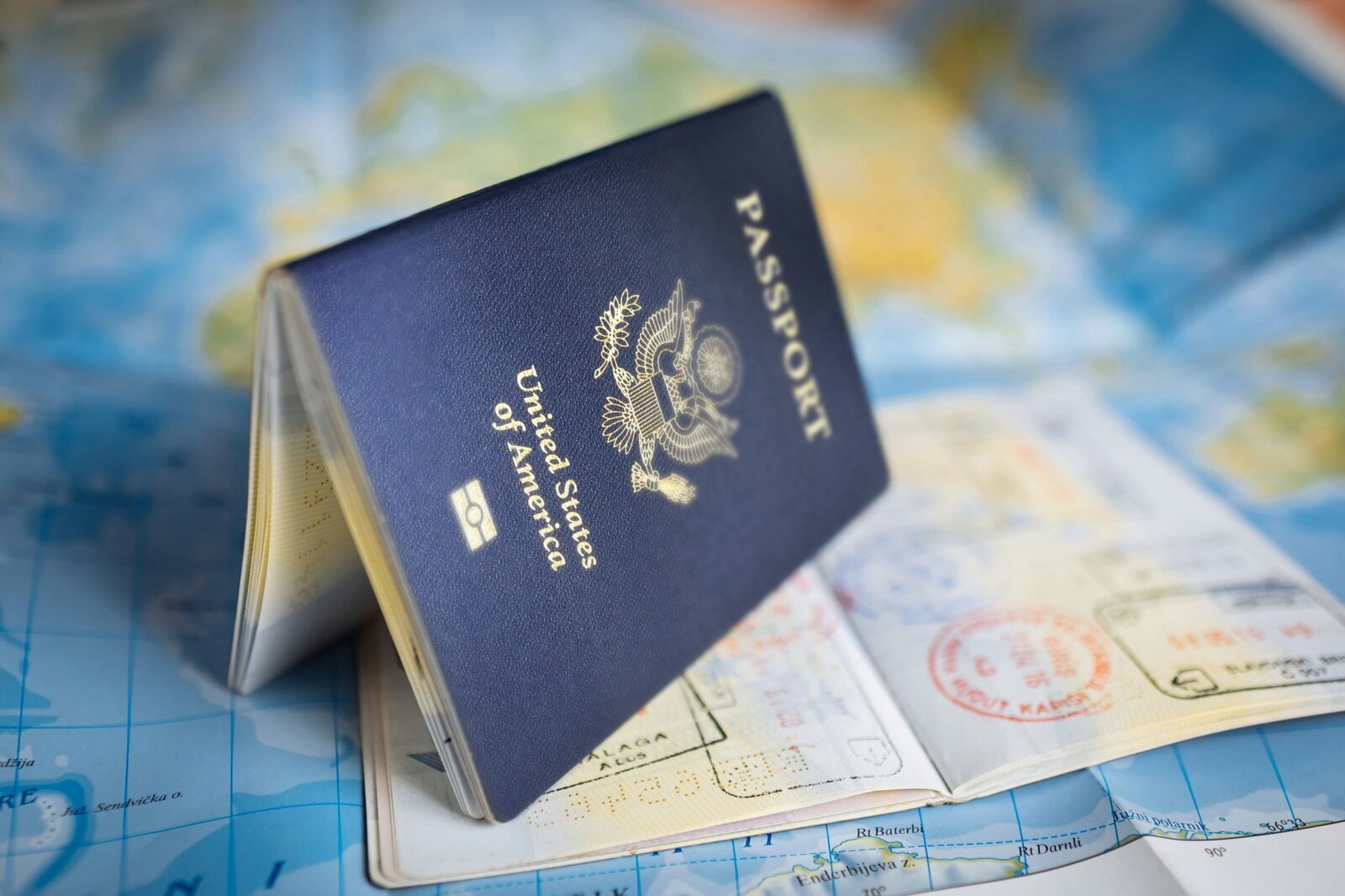
If you’re planning a move to Europe — or you travel there often — the way you cross the border has just changed, and there’s one point of confusion that trips people up again and again. Let’s clear it up.
What actually changed
The European Union has switched on its Entry/Exit System (EES), a digital border that replaces the old passport stamp. Instead of an officer inking your passport, the system now records your entries and exits electronically and, for non-EU travelers, captures biometrics — a facial image and fingerprints — the first time you cross. It rolled out in stages and is now fully in force across the participating European countries.
Close behind it is ETIAS, the European Travel Information and Authorisation System, which is rolling out for visa-free visitors — including Americans, Canadians and Britons. Once it’s required, you’ll apply online and pay a small fee for a travel authorization before you leave, much like the U.S. ESTA. It’s tied to your passport and valid for multiple short trips.
The 90/180 rule still rules
Both systems are built around the same limit that has governed visa-free travel to Europe for years: you can be in the Schengen area for no more than 90 days within any 180-day period. EES now tracks those days automatically and precisely — so the days of a fuzzy stamp and a generous officer are over. Overstaying is easier to catch than it used to be.
The part everyone gets wrong
Here’s the crucial thing if you’re relocating, not just visiting: EES and ETIAS are for short stays. Neither one lets you move to Europe. An ETIAS authorization is not a visa and not a residence permit — it’s permission to visit for up to 90 days, nothing more.
To actually live in a European country — to work, study, retire or settle there — you still need that country’s own national long-stay visa or residence permit, applied for through its consulate or immigration authority. Spain’s process is not Germany’s, and neither looks like France’s. ETIAS doesn’t replace any of them. People who assume the new travel authorization is “enough” to relocate are in for an expensive surprise.
How to plan a move around it
- Run two tracks at once. Your immigration track (the long-stay visa or residence permit) is separate from your travel track (EES/ETIAS). Start the visa process early — it’s the long pole.
- Line up your shipment with your status. Many countries only grant duty-free import of household goods once your residence paperwork is in order. Shipping before your visa is settled can mean customs charges you could have avoided.
- Keep your documents consistent. The name and details on your visa, your shipping paperwork and your travel authorization should all match.
- Get qualified immigration advice. Visa rules are country-specific and they change — confirm your path with the relevant consulate or a licensed immigration professional.
We coordinate the move — your household goods, your vehicle, your pets, door to door — and we time it around your immigration milestones so your belongings arrive when you’re cleared to receive them. Explore where you’re headed on our destinations pages, or start an international move.
More from The Dispatch — current events in global moving, freight and trade.
Tell us what you’re shipping and a coordinator will reply with a tailored plan, usually within one business day.
Request a quote →