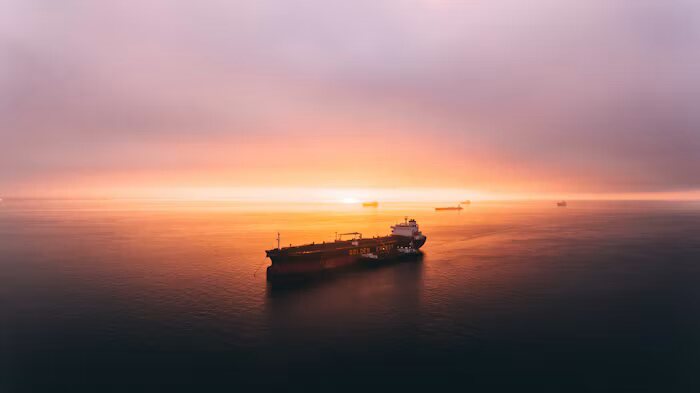
For nearly two years, the shortest route between Asia and Europe has been effectively closed. After attacks on commercial ships in the Red Sea began in late 2023, most major carriers stopped using the Suez Canal and sent their vessels the long way around the southern tip of Africa — a detour that adds roughly ten days to a typical Asia-to-Europe sailing and burns a great deal more fuel.
Through 2026, that has started to change. Maersk completed its first Red Sea transits since the attacks began, and other lines have been weighing a return. A full, permanent reopening is not guaranteed — some carriers are staying on the Cape of Good Hope route for now — but the direction of travel is clear, and it has real consequences for what you pay to ship.
Why a reopening pushes rates down
When ships take the long way around Africa, each voyage ties up vessels and containers for longer. That effectively removes capacity from the market, which props rates up. Send those same ships back through the Red Sea and the voyages get shorter, the fleet frees up, and all of that capacity comes flooding back.
At the same time, the global container fleet has been growing fast — a wave of new ships ordered during the boom years is still being delivered — while demand has softened. More ships chasing less cargo is the textbook recipe for falling freight rates, and analysts have pointed to meaningful rate declines across 2026 as the Red Sea situation normalizes.
But “down” doesn’t mean “smooth”
The catch is volatility. A sudden escalation could send carriers back around Africa overnight, tightening capacity again. And even a positive reopening can cause short-term chaos: if dozens of ships that were strung out around Africa suddenly arrive in European ports within the same window, terminals can’t absorb them all at once, and congestion spikes. Lower average rates can still come with sharp, unpredictable swings month to month.
What this means if you’re shipping
- Don’t lock in long contracts on a guess. With the outlook this fluid, flexibility is worth more than a rate you fixed before the picture cleared.
- Watch transit time, not just price. A cheaper rate on a route that’s about to get congested can cost you more in delays than you saved.
- Plan around the swings. If your cargo is time-sensitive, build buffer into your timeline for the months when carriers are shifting routes.
- Work with someone watching the lanes. Rates and routings are moving week to week — the value of a partner right now is knowing which option actually makes sense when you book, not last quarter.
As an FMC-licensed NVOCC, we track rates and routings lane by lane and book accordingly — so whether the Red Sea stays open or swings shut again, your shipment is on the option that makes sense the day it sails.
More from The Dispatch — current events in global moving, freight and trade.
Tell us what you’re shipping and a coordinator will reply with a tailored plan, usually within one business day.
Request a quote →